Why do mysterious black lines appear on the surface of knitting needles after quenching—lines that won’t come off? The reason is actually this!
In the manufacturing process of knitting needles, quenching is a critical step for enhancing hardness, wear resistance, and service life, and it directly determines the needles’ performance and product yield. However, many knitting needle manufacturers encounter a persistent problem in practice: after quenching, black lines appear on the surface of the needles that cannot be removed. This not only affects the product’s appearance but may also result in the needles being classified as defective, leading to rework, scrap, increased production costs, and delayed order delivery. Today, drawing on real-world case studies, we will comprehensively analyze the causes, risks, and effective solutions for black lines appearing on the surface of knitting needles after quenching. This will help companies quickly avoid these pitfalls and improve production efficiency and product yield.
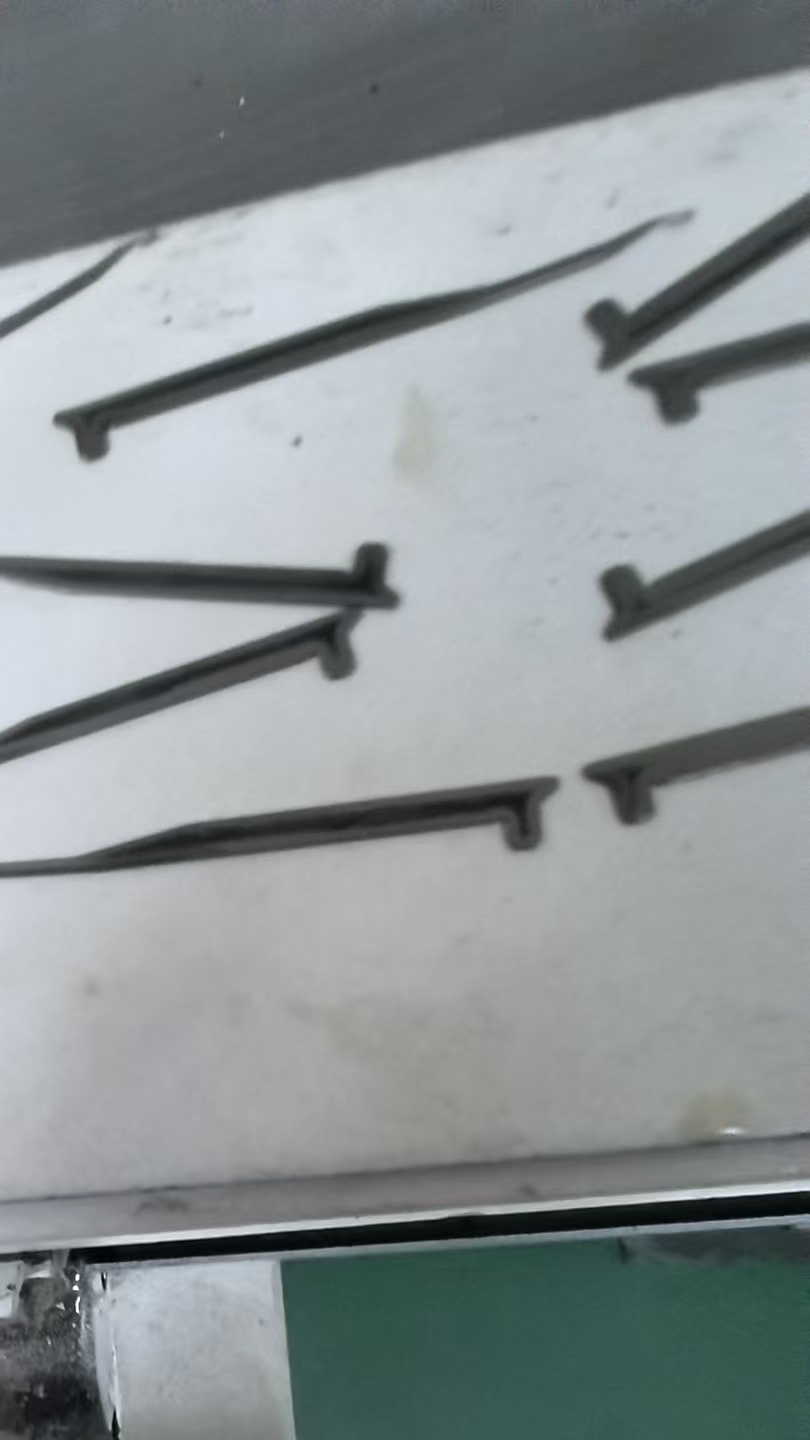
The Core Hazards of Black Lines on Quenched Knitting Needles
As precision textile components, knitting needles demand extremely high standards for surface flatness and finish. While the black lines that appear after quenching may seem like minor defects, they actually harbor numerous hidden risks that directly impact a company’s production efficiency:
Impact on Product Qualification Rates: Black lines cannot be removed by simple wiping and are classified as defective products, leading to batch rework or scrapping, which wastes raw materials and processing costs;
Increased Rework Costs: To remedy the issue, manual sanding with fine-grit sandpaper is required. This process is not only time-consuming, labor-intensive, and costly but also risks damaging the needles due to improper sanding, resulting in secondary losses;
Delays in order delivery: When black lines appear in a batch of products, production must be halted for rectification and rework, disrupting production schedules and preventing on-time delivery. This may result in customer complaints and liability for breach of contract;
Damage to corporate reputation: If non-conforming products enter the market, it will affect the company’s reputation within the industry, reduce customer trust, and impact future order collaborations.
Core Causes of Black Lines on Knitting Needles During Quenching
When encountering black lines on knitting needles during quenching, many companies initially suspect equipment malfunctions or improper quenching processes. However, based on our practical case studies with clients, most black line issues are not caused by the equipment or process itself, but rather by oversights in earlier processing stages. There are two specific core causes:
1. Oil residue on the needle surface not thoroughly cleaned after cold working
Before quenching, knitting needles undergo a cold-forming process during which machining oil adheres to their surfaces. If this oil is not thoroughly removed after cold working, residual oil remains on the surface. When the needles enter the quenching furnace, the high temperature prevents the oil from evaporating properly, causing it to form black marks on the surface—the indelible black lines we observe.
2. Improper placement of knitting needles during quenching, resulting in needle adhesion
Knitting needles are small workpieces. If they are not laid flat during quenching but are instead stacked or compressed together, this can cause areas of adhesion between the needles. The oil residue in these adhered areas cannot come into sufficient contact with the high-temperature environment inside the quenching furnace and cannot evaporate properly. This results in black lines forming at the points of adhesion, with the black lines primarily concentrated at the contact points of the knitting needles, appearing as uniform, strip-like marks.
Solutions for Black Lines on Quenched Knitting Needles
To address the causes mentioned above, simply follow these two key steps to completely resolve the issue of black lines on quenched knitting needles and prevent recurrence:
After cold working, thoroughly clean oil residue from the knitting needle surface.
During quenching, ensure the knitting needles are laid flat to prevent sticking.
If black lines appear on the surface after quenching is complete, the following emergency remedy can be used: Gently sand the areas with black lines using even pressure, avoiding excessive sanding (to prevent compromising the dimensional accuracy and surface flatness of the knitting needles); after sanding, wipe clean with a clean cloth to remove dust. If the black lines are deep, check the knitting needle dimensions after sanding to ensure they meet production standards and avoid scrapping the needles due to excessive sanding.
The appearance of black lines on the surface of knitting needles after quenching that cannot be wiped away is not an insurmountable problem. The key lies in identifying the root cause and taking targeted measures to ensure proper cleaning and placement beforehand.



Mobile website